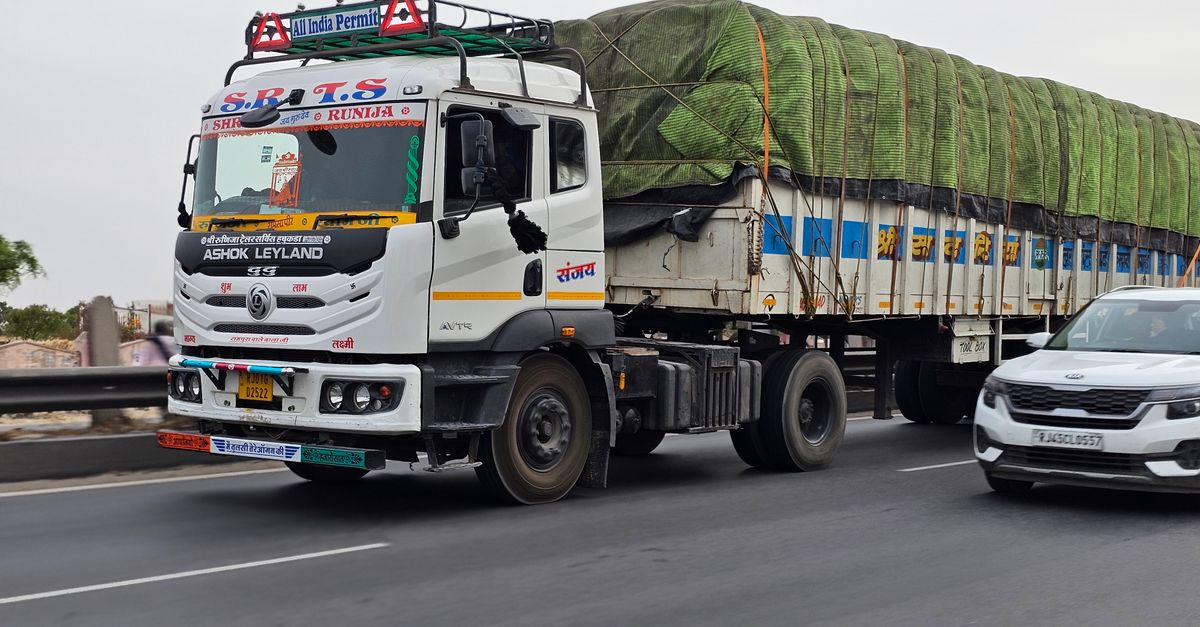
The importance of speed management for fleets cannot be overstated, as it plays a critical role in ensuring the safety of drivers, passengers, and other road users. Recent industry news, such as the focus on undefined fleet management, highlights the need for fleets to stay on top of their operations and adapt to changing regulations and best practices. In this post, we will explore the importance of speed management, alerts, and coaching for fleets, and provide practical tips and actionable advice for US fleet managers and safety directors.
Introduction to Speed Management
Speed management is a critical aspect of fleet safety, as excessive speeding can lead to accidents, fines, and damage to vehicles. The Federal Motor Carrier Safety Administration (FMCSA) regulates hours of service (HOS) rules, which include provisions related to speed management. For example, the FMCSA requires commercial motor vehicle (CMV) drivers to follow posted speed limits and to never exceed a speed of 70 mph, unless a lower speed limit is posted. Fleet managers and safety directors must ensure that their drivers are aware of and comply with these regulations, as well as other DOT compliance requirements.
The Role of Alerts and Coaching in Speed Management
Alerts and coaching are essential components of an effective speed management system. Alerts can be set up to notify fleet managers and safety directors when a driver exceeds a certain speed limit or engages in other unsafe driving behaviors. This allows for prompt intervention and coaching, which can help to prevent accidents and reduce the risk of fines and penalties. Driver coaching can take many forms, including in-person training, online courses, and one-on-one mentoring. The goal of coaching is to help drivers understand the importance of safe driving practices and to provide them with the skills and knowledge they need to operate their vehicles safely.
FMCSA Regulations and Speed Management
FMCSA regulations play a critical role in speed management, as they provide a framework for fleets to follow in terms of hours of service, vehicle maintenance, and driver qualifications. For example, the FMCSA requires fleets to maintain accurate records of driver hours, including hours worked, miles driven, and rest periods. Fleets must also ensure that their drivers are qualified and trained to operate commercial motor vehicles, and that they are aware of and comply with all relevant regulations, including those related to speed management. The use of electronic logging devices (ELDs) can help fleets to streamline their HOS tracking and compliance, and to reduce the risk of errors and fines.
The Benefits of Telematics and Dash Cams in Speed Management
Telematics and dash cams can provide valuable insights into driver behavior and vehicle performance, which can be used to improve speed management and overall fleet safety. For example, telematics systems can track vehicle speed, location, and other metrics, providing fleet managers and safety directors with real-time data and alerts. Dash cams can provide video evidence of accidents and other incidents, which can be used to coach drivers and improve their behavior. The use of telematics and dash cams can also help fleets to reduce their CSA score, which can lead to lower insurance premiums and other benefits.
Practical Tips for Implementing Speed Management
Fleets can implement speed management in a number of ways, including:
- Setting up alerts and notifications for excessive speeding or other unsafe driving behaviors
- Providing driver coaching and training on safe driving practices
- Using telematics and dash cams to track vehicle performance and driver behavior
- Conducting regular vehicle inspections and maintenance to ensure that vehicles are in good working condition
- Encouraging drivers to report any safety concerns or issues
The Importance of Preventive Maintenance and Vehicle Diagnostics
Preventive maintenance and vehicle diagnostics are critical components of fleet operations, as they can help to prevent accidents and reduce downtime. Regular maintenance can help to ensure that vehicles are in good working condition, which can reduce the risk of mechanical failures and other safety issues. Vehicle diagnostics can provide valuable insights into vehicle performance, which can be used to identify and address potential problems before they become major issues. The use of fleet tracking and management systems, such as those offered by GoMate, can help fleets to streamline their maintenance and diagnostics, and to stay on top of their fleet operations.
Route Optimization and Dispatch Management
Route optimization and dispatch management are also critical components of fleet operations, as they can help to improve efficiency and reduce costs. By optimizing routes and dispatching vehicles in a way that minimizes miles driven and reduces fuel consumption, fleets can lower their operating costs and improve their bottom line. The use of fleet management systems can help fleets to optimize their routes and dispatch, and to stay on top of their fleet operations.
Conclusion and Call to Action
Speed management is a critical aspect of fleet safety, and fleets must take a proactive approach to managing speed and promoting safe driving practices. By using alerts and coaching, telematics and dash cams, preventive maintenance, and route optimization, fleets can improve their safety record and reduce their risk of accidents and fines. If you are a US fleet manager or safety director looking to improve your fleet's speed management and overall safety, we encourage you to take a closer look at your current operations and to consider implementing new strategies and technologies. Contact us today to learn more about how you can improve your fleet's safety and efficiency, and to take the first step towards reducing your fleet's risk and improving your bottom line.