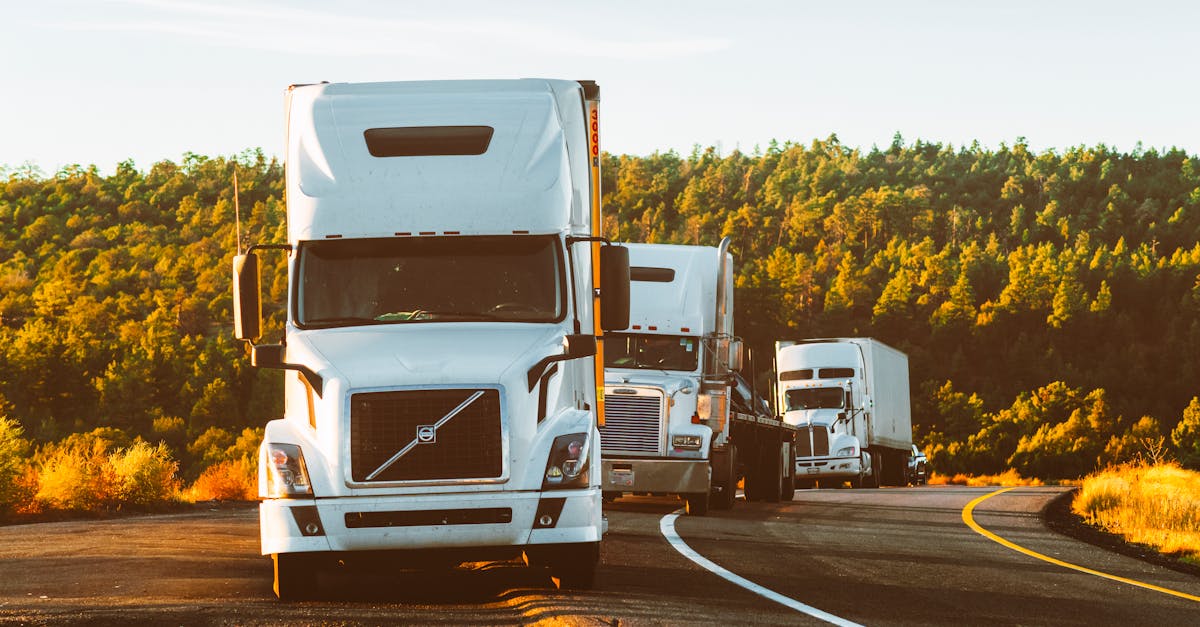
The rising costs of fuel have become a significant concern for US fleet managers, with many seeking ways to optimize their operations and reduce expenses. Recent industry news has highlighted the importance of efficient fleet management, from the Marines' External Lift Training to Uber's Hybrid Core Allocation strategy. In this article, we will explore how GPS fleet tracking can help reduce fuel costs by 15% and provide practical tips for fleet managers to improve their operations.
Introduction to GPS Fleet Tracking
GPS fleet tracking is a powerful tool that enables fleet managers to monitor their vehicles' location, speed, and performance in real-time. By leveraging this technology, fleets can optimize their routes, reduce idle time, and improve driver behavior. According to the FMCSA, fleets that use GPS tracking can reduce their fuel consumption by up to 15%, resulting in significant cost savings.
FMCSA Regulations and DOT Compliance
The Federal Motor Carrier Safety Administration (FMCSA) regulates the use of electronic logging devices (ELDs) to ensure compliance with hours of service (HOS) rules. GPS fleet tracking can help fleets comply with these regulations by providing accurate and automated logging of driver hours. Additionally, fleets can use GPS tracking to monitor their commercial motor vehicle (CMV) inspections, roadside inspections, and Compliance, Safety, Accountability (CSA) scores.
The Benefits of GPS Fleet Tracking
GPS fleet tracking offers numerous benefits for US fleet managers, including:
- Improved fleet safety through real-time monitoring of driver behavior and vehicle performance
- Enhanced fleet efficiency through optimized routing and reduced idle time
- Better fuel management through monitoring of fuel consumption and identification of areas for improvement
- Increased driver safety through the use of dash cams and dashcam footage analysis
- Improved preventive maintenance through vehicle diagnostics and scheduled maintenance alerts
Telematics and Fleet Operations
Telematics plays a critical role in fleet operations, enabling fleet managers to collect and analyze data on their vehicles' performance. By leveraging telematics, fleets can identify areas for improvement, optimize their routes, and reduce their fuel consumption. Recent developments in the industry, such as the Marines' Aerial Sniper program, highlight the importance of telematics in modern fleet operations.
Practical Tips for Reducing Fuel Costs
To reduce fuel costs, fleet managers can follow these practical tips:
- Optimize routes to reduce distance traveled and minimize idle time
- Monitor driver behavior and provide coaching on fuel-efficient driving practices
- Use dash cams and dashcam footage analysis to identify areas for improvement
- Implement a preventive maintenance program to ensure vehicles are running efficiently
- Use vehicle diagnostics to identify potential issues before they become major problems
Route Optimization and Dispatch Management
Route optimization is a critical component of fuel management, as it enables fleets to reduce their fuel consumption and lower their emissions. By using GPS fleet tracking, fleets can optimize their routes in real-time, taking into account traffic, road conditions, and other factors. Dispatch management is also essential, as it enables fleets to assign routes and manage their drivers' schedules efficiently.
The Role of Driver Coaching in Fuel Management
Driver coaching is an essential aspect of fuel management, as it enables fleets to improve their drivers' behavior and reduce their fuel consumption. By providing drivers with feedback and coaching on fuel-efficient driving practices, fleets can reduce their fuel costs and improve their overall safety record. Recent industry developments, such as the Heritage Foundation's report on Integrated Deployment Ratio and Timing, highlight the importance of driver coaching in modern fleet operations.
Fleet Cost Reduction Strategies
Fleets can reduce their costs by implementing a range of strategies, including:
- Fuel management programs to monitor and optimize fuel consumption
- Vehicle maintenance programs to ensure vehicles are running efficiently
- Driver safety programs to reduce the risk of accidents and improve driver behavior
- Fleet tracking and monitoring to optimize routes and reduce idle time
Conclusion and Call-to-Action
In conclusion, GPS fleet tracking is a powerful tool that can help US fleet managers reduce their fuel costs by 15%. By leveraging this technology, fleets can optimize their routes, reduce idle time, and improve driver behavior. To learn more about how GoMate can help your fleet reduce its fuel costs and improve its overall safety record, contact us today. Our team of experts can provide you with personalized guidance and support to help you optimize your fleet operations and reduce your costs. Take the first step towards a more efficient and cost-effective fleet – contact GoMate today to schedule a demo and discover the benefits of GPS fleet tracking for yourself.