The Federal Motor Carrier Safety Administration (FMCSA) Electronic Logging Device (ELD) mandate has been in effect for several years, but its impact on fleet managers and safety directors continues to evolve. As the industry adapts to the latest developments, it's essential to stay informed about the regulations and best practices that govern commercial motor vehicle (CMV) operations. Recent news headlines, such as discussions around "undefined fleet management" and the importance of proper training, highlight the need for fleet managers to stay vigilant and proactive in ensuring compliance and safety.
Understanding FMCSA Regulations
The FMCSA regulations, including the ELD mandate, are designed to improve road safety and reduce the risk of accidents involving commercial vehicles. The Hours of Service (HOS) rules, which dictate the number of hours a CDL driver can operate a vehicle, are a critical component of these regulations. Fleet managers must ensure that their drivers comply with these rules, which can be a complex task, especially for smaller fleets or those with limited resources. The use of electronic logging devices (ELDs) helps to streamline this process by automatically tracking drivers' hours and providing real-time data to fleet managers.
The Role of ELDs in Fleet Safety
ELDs play a crucial role in promoting fleet safety by reducing the likelihood of driver fatigue, which is a leading cause of accidents involving commercial vehicles. By accurately tracking drivers' hours, ELDs help fleet managers to identify potential safety risks and take proactive measures to mitigate them. Additionally, ELDs provide valuable insights into driver behavior, such as speeding and harsh braking, which can be used to coach drivers and improve overall fleet safety. The integration of dash cam footage with ELD data can also provide a more comprehensive view of driver behavior and help to exonerate drivers in the event of an accident.
Best Practices for Fleet Managers
To ensure compliance with FMCSA regulations and promote fleet safety, fleet managers should follow these best practices:
- Implement a robust fleet tracking system that includes ELDs, telematics, and dash cams
- Conduct regular CMV inspections to ensure vehicles are roadworthy and comply with safety standards
- Develop a preventive maintenance schedule to reduce the risk of vehicle breakdowns and roadside inspections
- Provide ongoing driver coaching and training to improve driver safety and reduce the risk of accidents
- Monitor fleet operations in real-time to identify areas for improvement and optimize route planning and dispatch management
The Importance of Vehicle Diagnostics
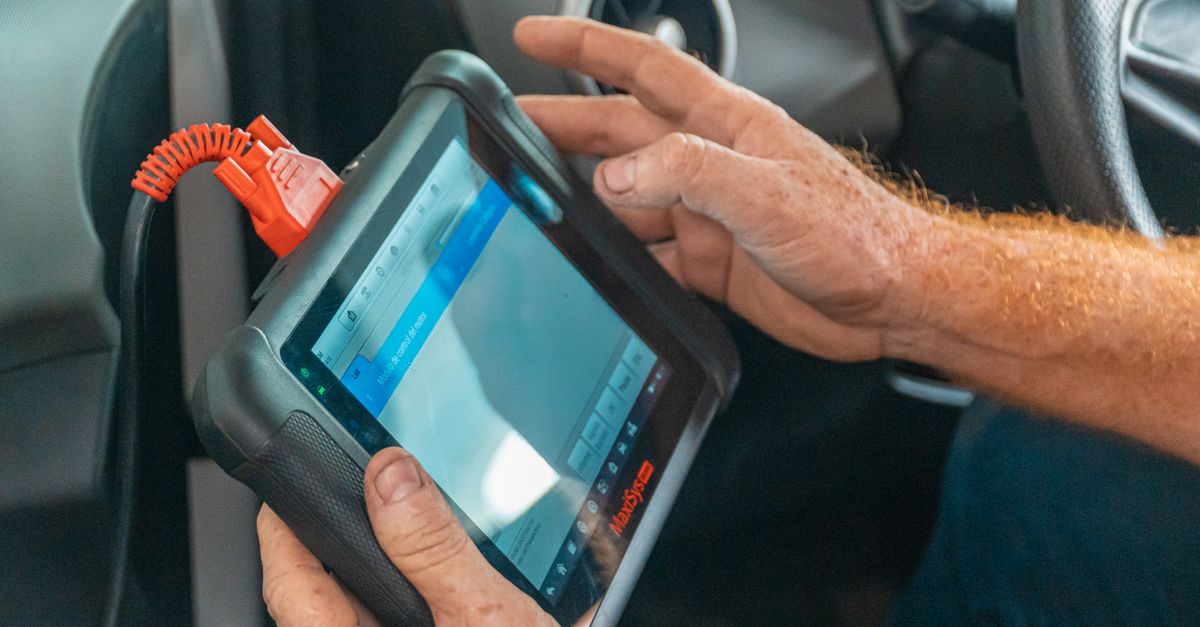
Vehicle diagnostics are a critical component of fleet maintenance and play a key role in reducing the risk of roadside inspections and CSA score penalties. By using advanced telematics systems, fleet managers can monitor vehicle performance in real-time and identify potential issues before they become major problems. This proactive approach to maintenance can help to reduce downtime, improve fleet efficiency, and lower costs associated with fuel management and vehicle repairs.
Optimizing Fleet Operations
To optimize fleet operations and improve efficiency, fleet managers should focus on the following areas:
- Route optimization: use advanced routing software to reduce fuel consumption and lower emissions
- Dispatch management: implement a robust dispatch system that includes real-time tracking and automated scheduling
- Driver safety: provide ongoing training and coaching to improve driver safety and reduce the risk of accidents
- Fleet cost reduction: identify areas for cost savings, such as fuel management and vehicle maintenance, and implement strategies to reduce expenses
The Benefits of Partnering with a Fleet Management Expert
Fleet managers who partner with a reputable fleet management company, such as GoMate, can gain access to a range of tools and resources designed to improve fleet safety, efficiency, and compliance. By leveraging the expertise of a trusted partner, fleet managers can stay up-to-date with the latest FMCSA regulations, including the ELD mandate, and ensure that their fleets are operating safely and efficiently.
Staying Ahead of the Curve
As the fleet management industry continues to evolve, it's essential for fleet managers to stay informed about the latest developments and trends. Recent news headlines, such as discussions around hybrid core allocation and integrated deployment ratios, highlight the need for fleet managers to be proactive and adaptable in the face of changing regulations and technological advancements. By staying ahead of the curve and embracing new technologies and best practices, fleet managers can improve fleet safety, reduce costs, and optimize operations.
Conclusion
The FMCSA ELD mandate is a critical component of fleet management, and fleet managers must stay informed about the regulations and best practices that govern commercial motor vehicle operations. By following the tips and advice outlined in this article, fleet managers can ensure compliance with FMCSA regulations, promote fleet safety, and optimize fleet operations. To learn more about how to improve your fleet's safety and efficiency, contact GoMate today and discover how their expertise and resources can help you achieve your goals.