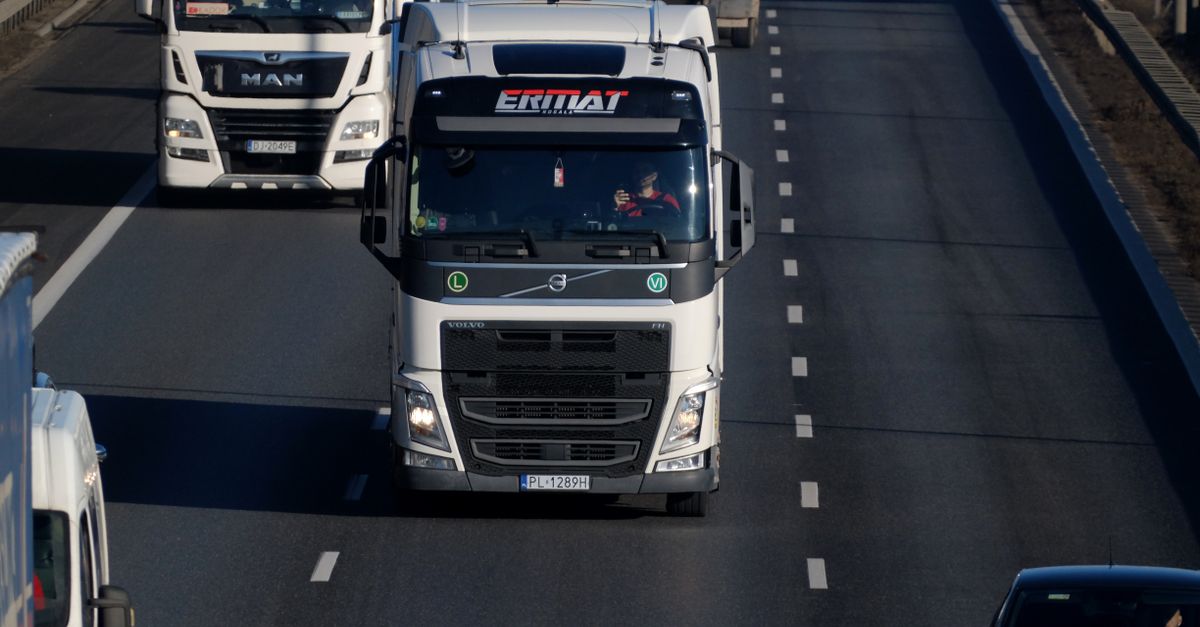
The Federal Motor Carrier Safety Administration (FMCSA) uses the Compliance, Safety, Accountability (CSA) program to measure fleet safety and compliance. A good CSA score is crucial for fleet operations, as it affects a company's reputation, insurance rates, and ability to attract customers. Recent industry news, such as the focus on "undefined fleet management" and the importance of proper training, highlights the need for fleets to prioritize safety and compliance. In this article, we will discuss how Electronic Logging Device (ELD) and dashcam data can help fleets improve their CSA scores and overall safety.
Understanding CSA Scores and FMCSA Regulations
CSA scores are calculated based on a fleet's performance in seven Behavior Analysis and Safety Improvement Categories (BASICs): Unsafe Driving, Hours-of-Service (HOS) Compliance, Vehicle Maintenance, Controlled Substances/Alcohol, Driver Fitness, Cargo-Related, and Crash Indicator. The FMCSA uses data from roadside inspections, crashes, and other sources to calculate a fleet's CSA score. Fleets with poor CSA scores may face increased scrutiny from regulators, including more frequent inspections and potential fines.
The Importance of ELD Data in CSA Scores
ELDs are a crucial tool for fleets to ensure compliance with HOS rules and other FMCSA regulations. By automatically tracking drivers' hours of service, ELDs help prevent fatigue-related accidents and reduce the risk of non-compliance. ELD data can also be used to identify trends and patterns in driver behavior, allowing fleets to target areas for improvement. For example, if a fleet notices that many of its drivers are consistently nearing their HOS limits, it may indicate a need for more efficient route planning or additional driver training.
The Role of Dashcam Footage in Fleet Safety
Dashcams are becoming increasingly popular in the transportation industry, and for good reason. By providing a visual record of events on the road, dashcams can help fleets improve safety, reduce liability, and protect their drivers. Dashcam footage can be used to coach drivers on safe driving practices, such as following distances and speed management. It can also be used to exonerate drivers in the event of an accident or to provide evidence in a lawsuit. Additionally, some dashcams offer advanced features such as automatic incident detection and real-time alerts, which can help fleets respond quickly to incidents and prevent further accidents.
Using Telematics and Vehicle Diagnostics to Improve Fleet Efficiency
Telematics and vehicle diagnostics are powerful tools for fleets to improve efficiency and reduce costs. By providing real-time data on vehicle performance, fleets can identify areas for improvement, such as fuel management and preventive maintenance. This can help reduce the risk of breakdowns and roadside inspections, which can negatively impact a fleet's CSA score. Additionally, telematics can help fleets optimize their routes and dispatch management, reducing fuel consumption and lowering emissions.
Practical Tips for Improving CSA Scores
So, how can fleets use ELD and dashcam data to improve their CSA scores? Here are a few practical tips:
- Use ELD data to identify trends and patterns in driver behavior and target areas for improvement.
- Implement a dashcam program to provide a visual record of events on the road and coach drivers on safe driving practices.
- Use telematics and vehicle diagnostics to optimize fleet operations and reduce costs.
- Provide regular training and coaching to drivers on safe driving practices and FMCSA regulations.
- Conduct regular CMV inspections to ensure vehicles are in good working condition and reduce the risk of roadside inspections.
The Importance of Driver Safety and Coaching
Driver safety is critical to a fleet's overall safety and efficiency. By providing regular coaching and training to drivers, fleets can help reduce the risk of accidents and improve their CSA scores. This can include training on safe driving practices, such as following distances and speed management, as well as training on FMCSA regulations and HOS rules. Additionally, fleets can use dashcam footage to coach drivers on specific areas for improvement, such as aggressive driving or distracted driving.
Conclusion and Call-to-Action
Improving fleet safety and efficiency requires a proactive approach to compliance and risk management. By leveraging ELD and dashcam data, fleets can gain valuable insights into their operations and make data-driven decisions to improve their CSA scores. As a trusted partner in fleet management, GoMate provides fleets with the tools and expertise they need to succeed. Whether you're looking to improve your CSA score, reduce costs, or simply improve your overall fleet safety, we can help. Take the first step towards a safer, more efficient fleet today by contacting us to learn more about our fleet management solutions.